Condor Seamount (AWB110 cruise), September 2026
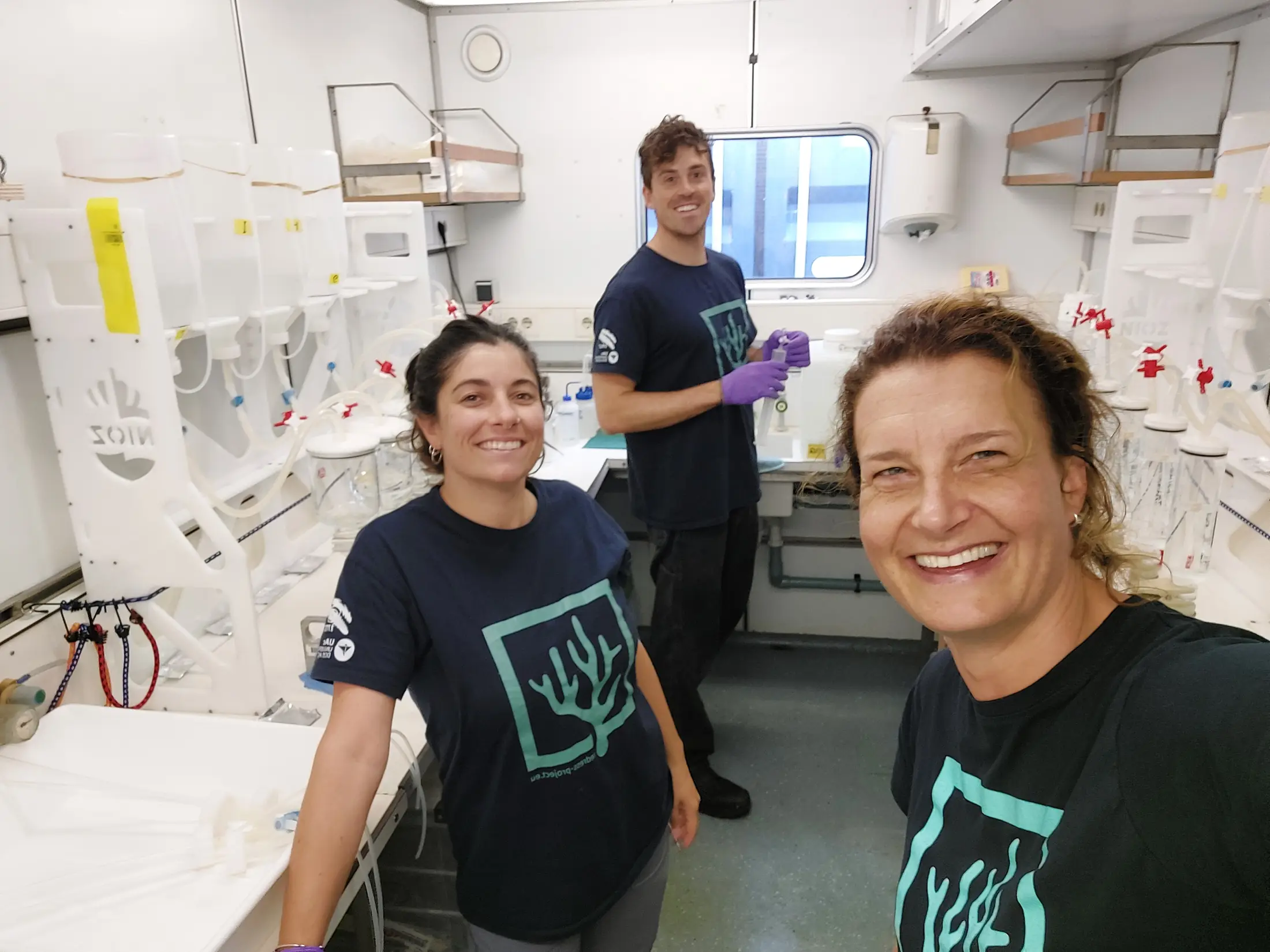
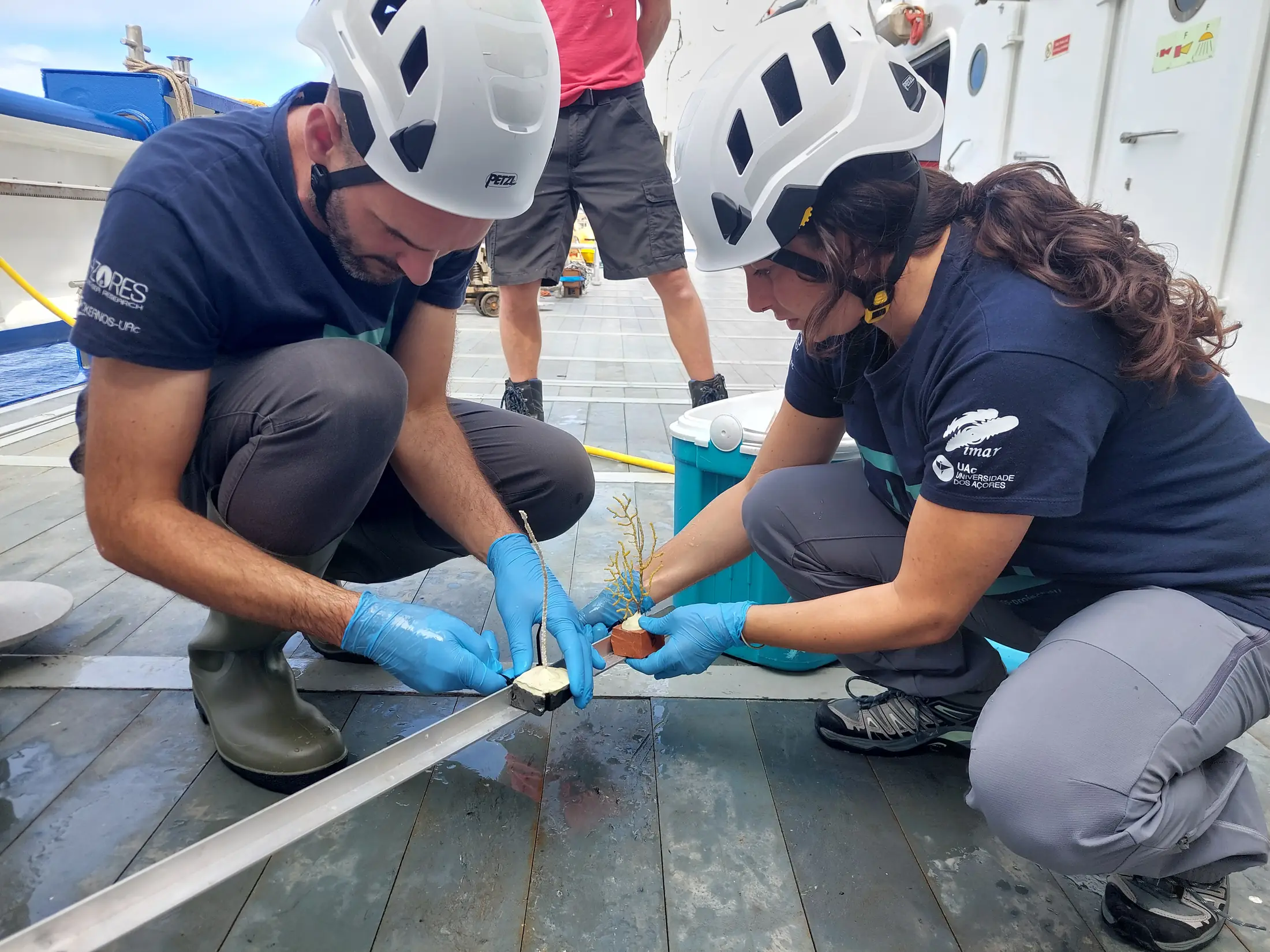
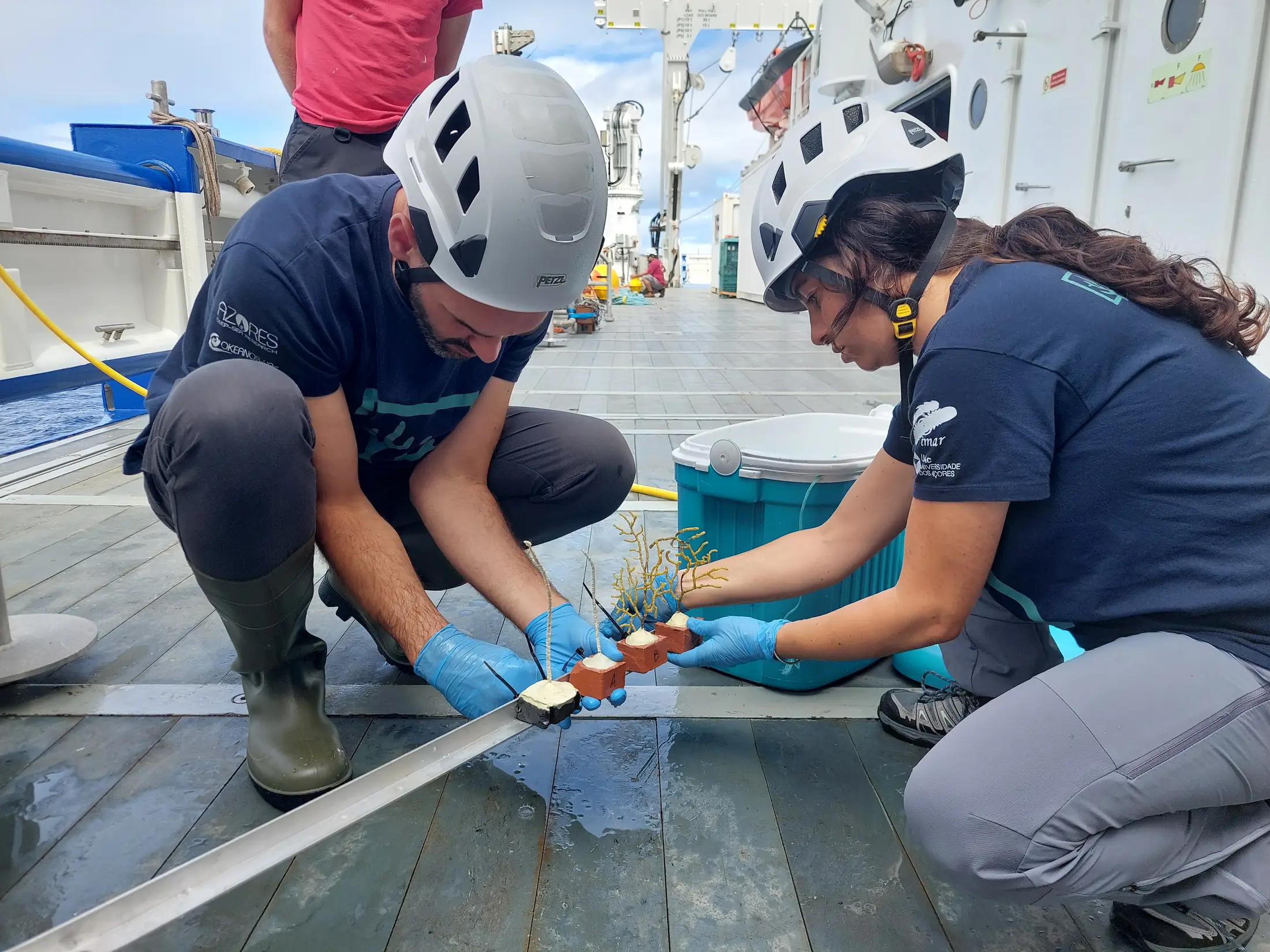
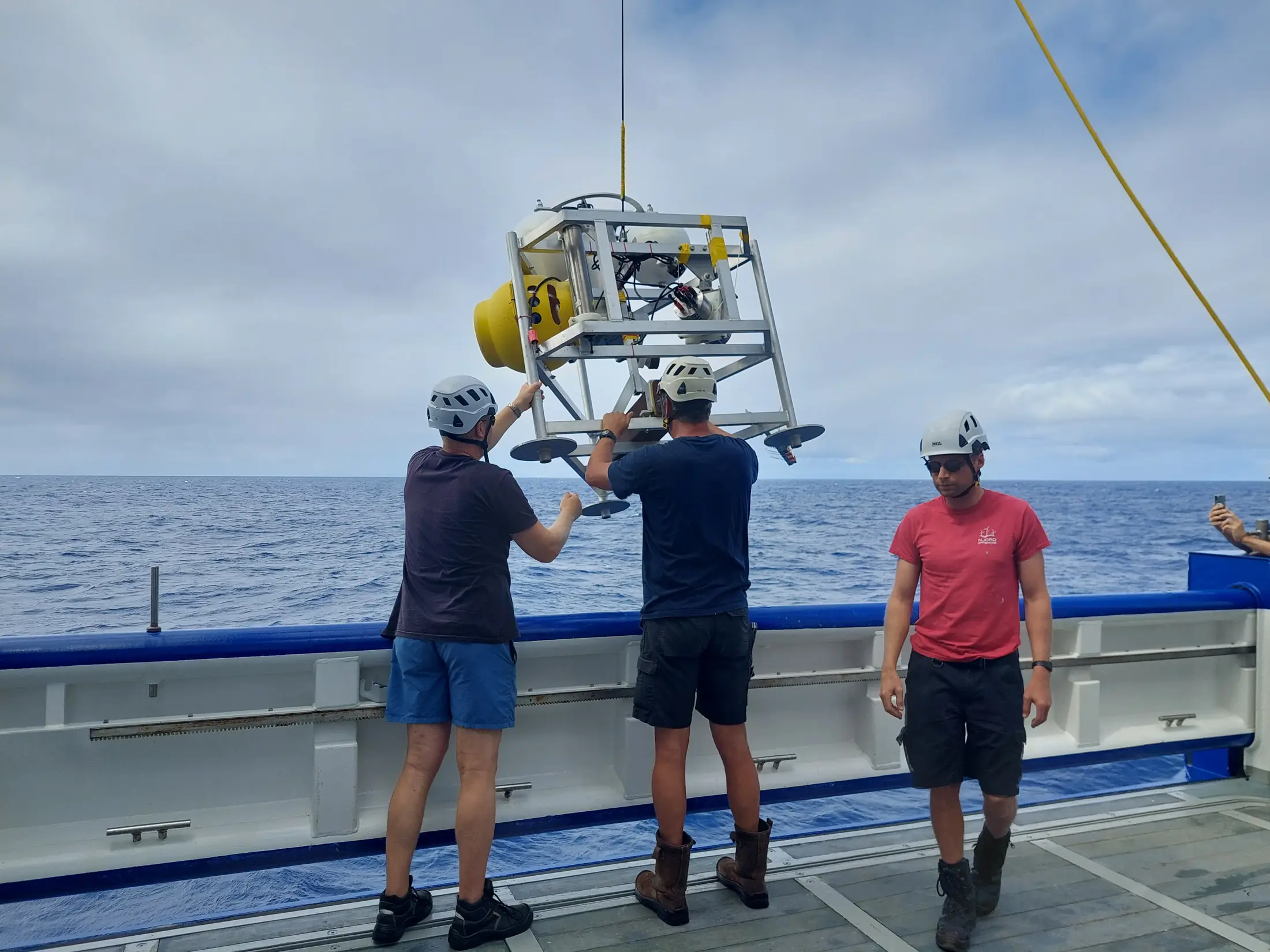
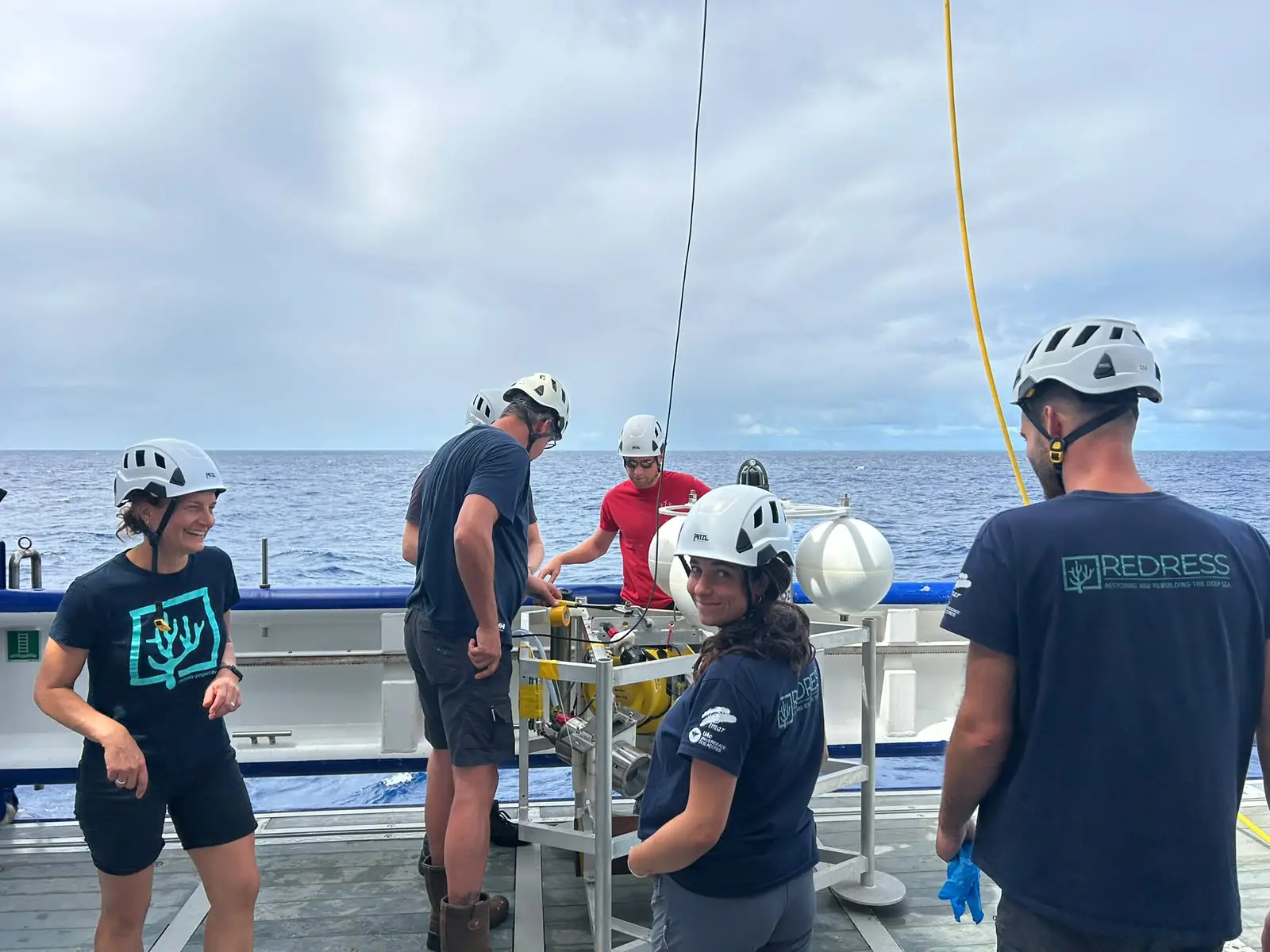
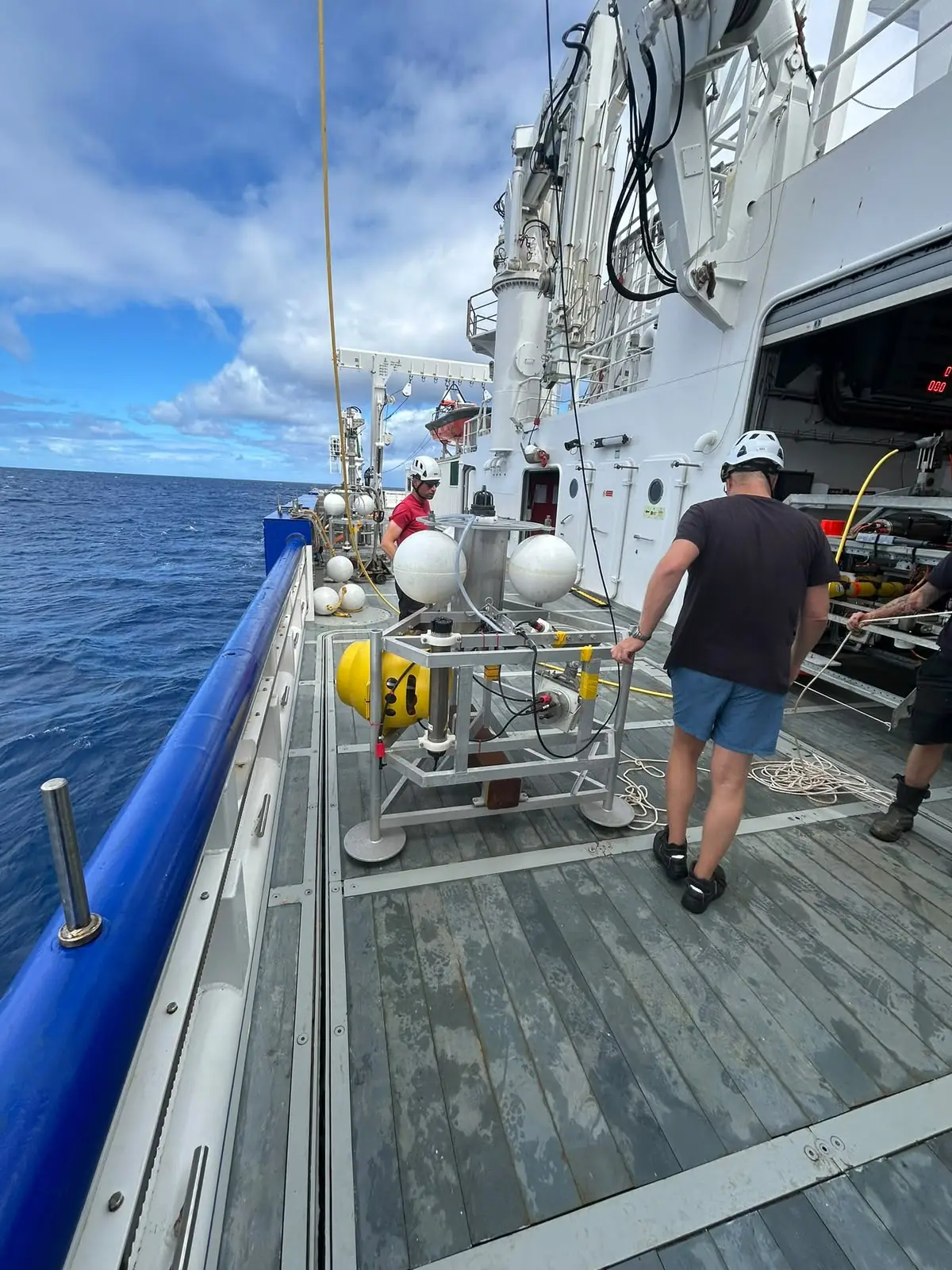
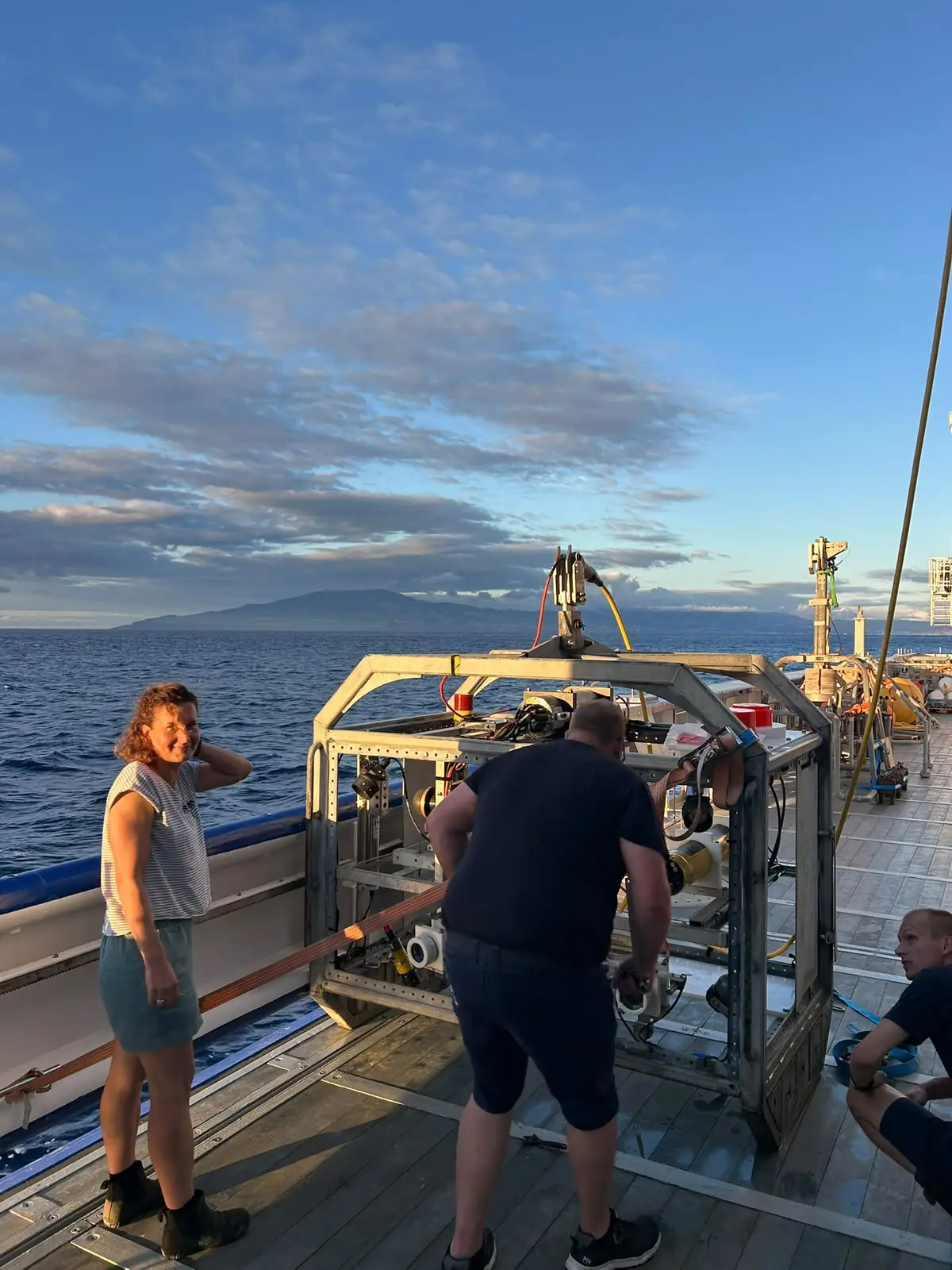
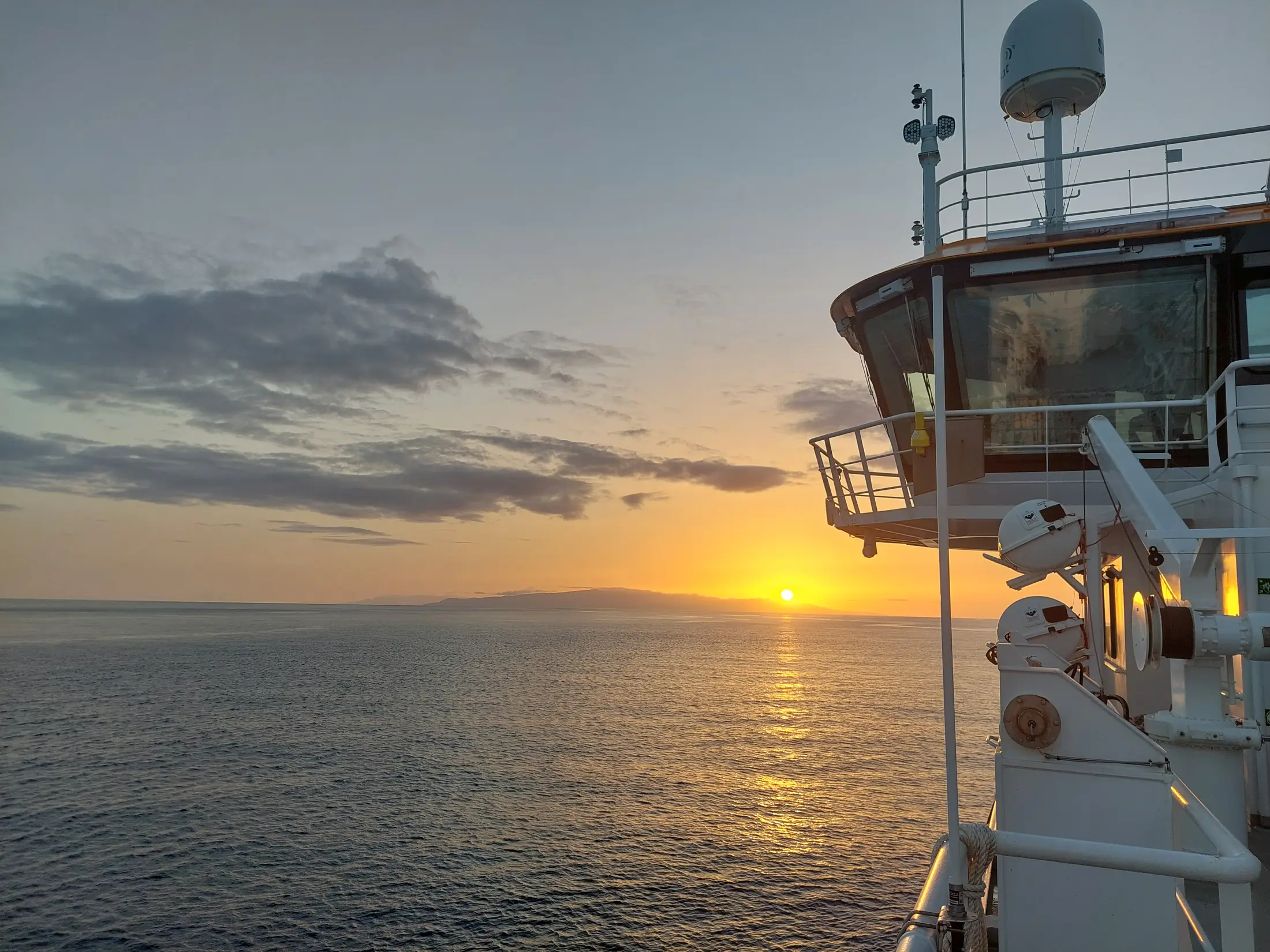
The AWB110 scientific expedition has been conducted in the Condor Seamount, situated 10 nautical miles from the island of Faial (Azores). The main goals of the campaign were to: 1) restore selected sites with coral bycatch previously collected, acclimatized and prepared for deployment; 2) conduct physical and chemical analyses of the water column through CTD casts and water filtration methods; and 3) monitor the restoration effort over a long period using a mini ALBEX lander specifically equipped with a suite of sensors (HD camera, ADCP, oxygen sensors, turbidity and fluorescence sensors) for the campaign. The areas selected for the restoration intervention and its monitoring were discussed and decided in advance based on historical records of the seamount, aiming to address both areas previously impacted by fishing and areas still considered pristine. During this campaign, the NIOZ team, led by Dr. Furu Mienis, worked side by side with the Coral Ecophysiology Lab from the Azores, led by Dr. Marina Carreiro Silva, for the success of the project. The NIOZ team focused on the monitoring aspect of the project through the newly designed mini ALBEX landers, while the Azores team contributed important techniques for coral deployment, such as the badminton method, first developed in Spain and later adopted in the Azores to restore the impacted coral gardens. The method is based on deploying corals, previously bycatched by fishing vessels, by simulating the effect of a badminton ball. Corals are first attached to cobbles using a non-toxic two-component adhesive, then gently released a few meters above the ocean bottom, causing them to fall gently into an upright position.
The results of the campaign will be available next year, when the lander is recover, providing important information on the in situ environmental dynamics as well as HD videos to study coral behavior during the restoration process.