
Bratten MPA Soft-Bottom Habitats, May – July 2026
University of Gothenburg and GEOMAR complete the first long-term lander recovery and redeployment at the Swedish REDRESS restoration site
How does the seabed recover when direct pressure from bottom trawling is removed? This is the central question being addressed by REDRESS in the Bratten Marine Protected Area (MPA) in the Skagerrak. At this Swedish restoration site, the University of Gothenburg and GEOMAR are monitoring soft-bottom habitats inside and around No-Take Zone 4, where bottom trawling has been excluded since 2017, and comparing them with adjacent trawled corridors that continue to experience fishing disturbance.
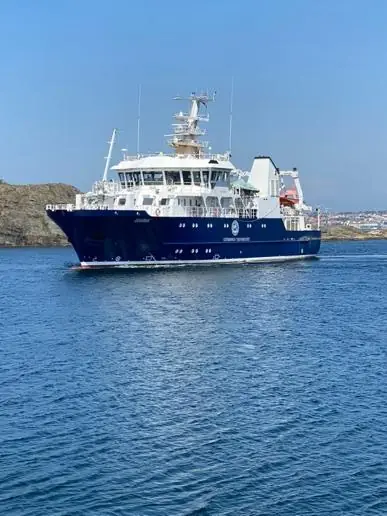
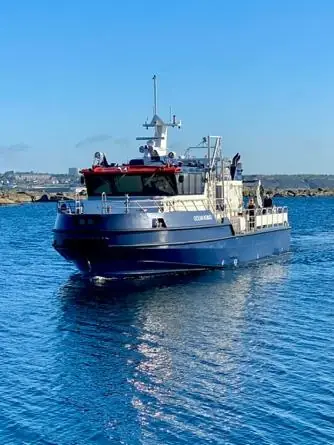
First monitoring interval completed
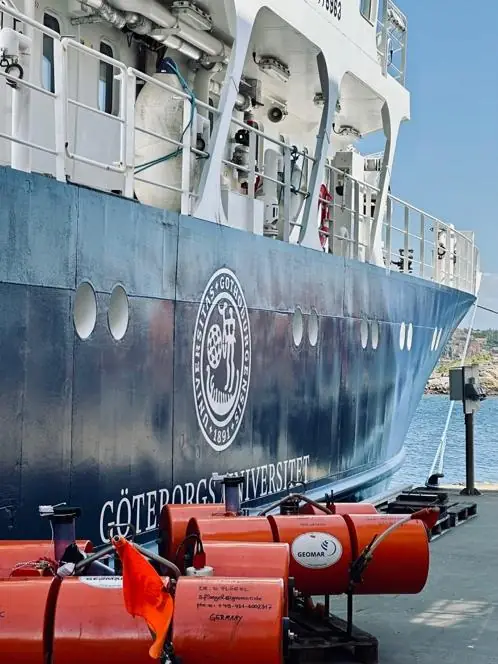
The first monitoring interval was completed on 29 May 2026, when two GEOMAR seabed lander systems, first deployed in October 2025, were successfully recovered during a one-day cruise with R/V Ocean Nomad from Midocean AB. After recovery, the landers were transferred to Kristineberg Marine Research Station, where they were cleaned, serviced, refurbished, and prepared for the next deployment. The recovered datasets include time-lapse imagery, ADCP current measurements, CTD records, and observations of oxygen, pH, chlorophyll-a, and turbidity.
Together, these time series will help resolve the near-bottom conditions that influence passive seafloor recovery, including hydrography, particle dynamics, oxygen conditions, and sediment-water exchange. They also provide an environmental baseline for interpreting biological and biogeochemical changes across protected and trawled parts of the site.
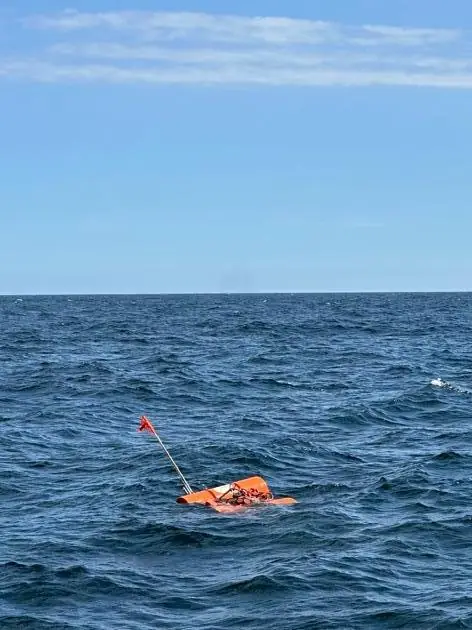
REDRESS@Bratten 2.0: redeployment and upgraded payload
From 31 May to 2 June 2026, the REDRESS@Bratten 2.0 cruise was carried out on board R/V Skagerak. During this cruise, the two GEOMAR benthic lander modules were redeployed for the next long-term monitoring period. The second deployment included an upgraded lander payload, with increased battery capacity through a larger pressure housing for the camera batteries and a sediment trap added to collect material settling at the seabed.
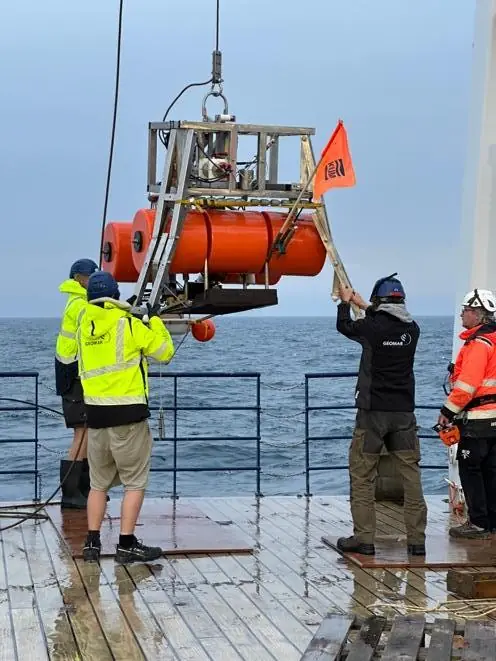
Linking long-term observations with sediment analyses
In parallel with the lander work, the University of Gothenburg collected sediment cores using a Gemini twin corer fitted with 8 cm inner-diameter liners. Sediment cores and sliced sediment samples were retained for later physical and biogeochemical analyses, including ex situ incubation experiments. These measurements will support direct comparisons between protected soft-bottom areas inside No-Take Zone 4 and adjacent trawled corridors, helping the team assess boundary effects and the early trajectory of passive recovery.
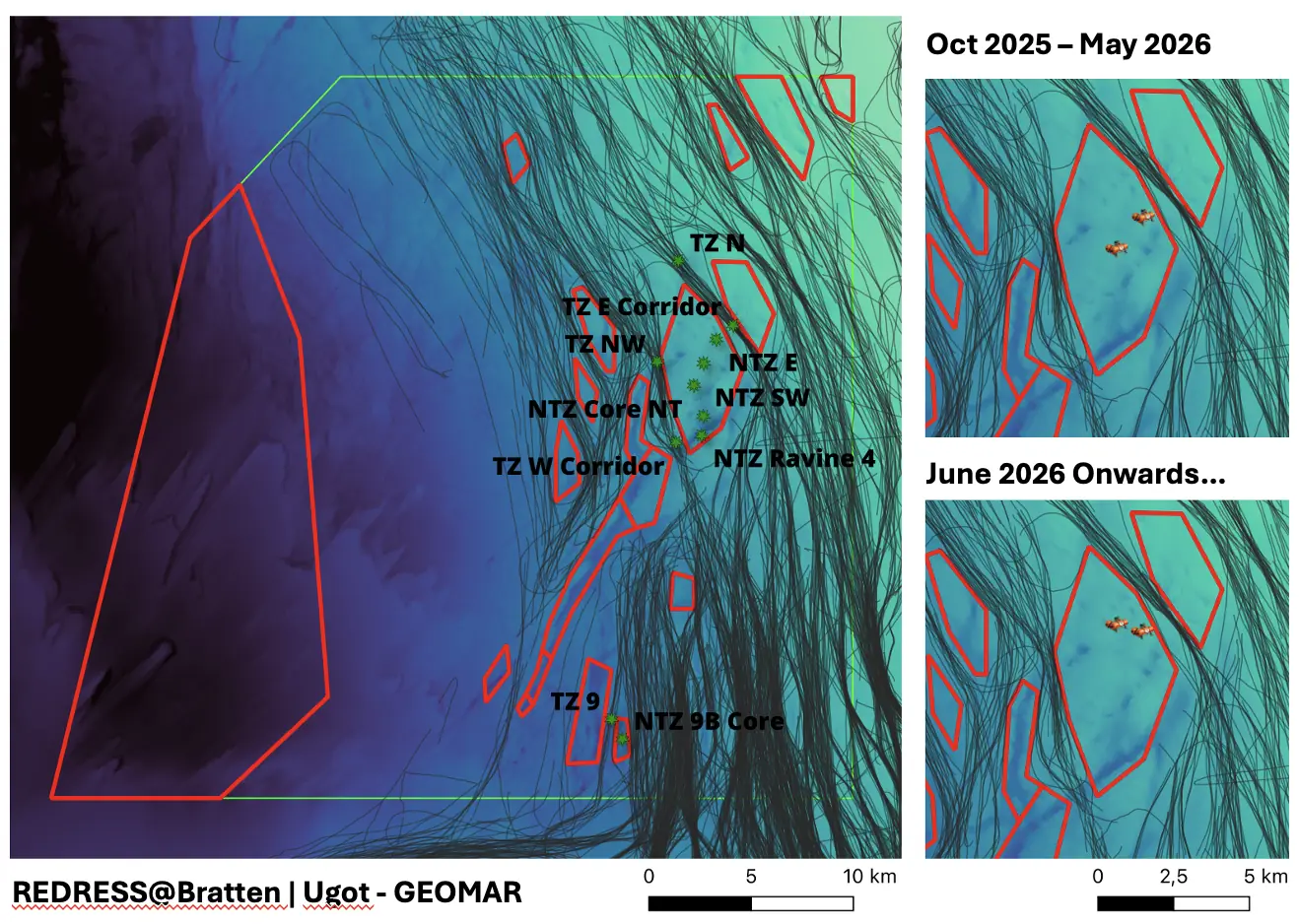
The next monitoring interval will extend the REDRESS time series and strengthen the evidence base for passive restoration in protected soft-bottom habitats. The combined dataset will be used to evaluate how seafloor conditions, sediment processes, and disturbance boundaries shape the pace and direction of recovery in Bratten MPA.